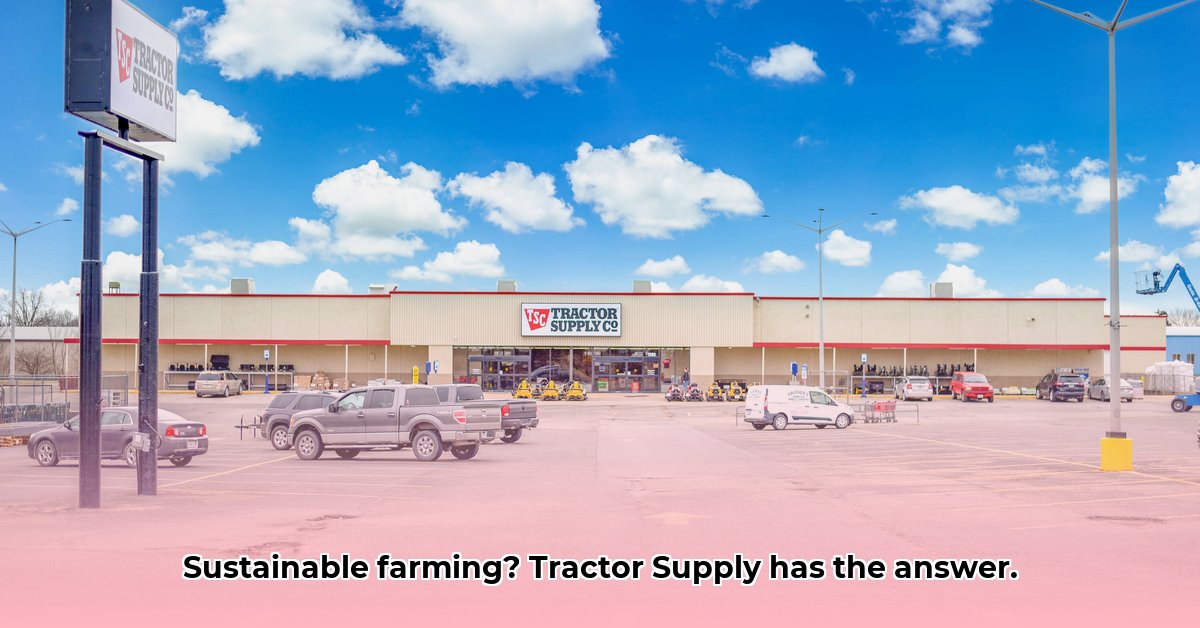
Tractor Supply Company (TSC) enjoys widespread popularity among farmers in California and Missouri, acting as a one-stop shop for agricultural needs. But does its convenience translate to genuine support for sustainable farming practices? This article explores TSC's role, highlighting both its contributions and shortcomings in fostering environmentally responsible agriculture. For more information on sustainable materials used by TSC, check out this helpful resource.
TSC: Accessibility Versus Sustainability Transparency
TSC's extensive network of stores provides readily accessible supplies to farmers, particularly those in rural areas. This streamlined access improves farming efficiency and potentially reduces fuel consumption from multiple sourcing trips, indirectly benefiting the environment. However, a critical analysis reveals a significant gap: a lack of transparency regarding TSC's commitment to sustainable sourcing and practices.
A quick review of TSC's website reveals limited information on sustainable sourcing strategies, eco-friendly packaging, or broader environmental initiatives. This absence of readily available data raises concerns about the company's overall commitment to sustainability. Wouldn't a company so deeply connected to the agricultural sector, and benefiting from it, be more proactive in showcasing its environmental stewardship?
This isn't to say TSC offers no sustainable products. They do stock organic seeds and other items used in sustainable farming. However, the absence of detailed information about product origins, packaging materials, and their environmental impact hinders informed consumer choices and undermines the potential for genuine sustainable agriculture progress.
Can TSC Become a Sustainability Leader? A Pathway to Improvement
TSC possesses the scale, resources, and customer base to significantly influence sustainable farming in California and Missouri. However, proactive steps are necessary to achieve this potential. A strategic approach could involve:
Comprehensive Environmental Audit: A thorough review of TSC's supply chains is crucial. Tracing products back to their origins, evaluating environmental impacts at each stage (production, packaging, shipping), is essential for identifying areas for improvement. This comprehensive assessment will reveal hidden opportunities for positive change.
Expanding Eco-Friendly Product Lines: TSC should dramatically increase its selection of sustainable products. This goes beyond organic seeds; it includes offering water-efficient irrigation systems, tools and equipment made from recycled or sustainable materials, and environmentally responsible pest control options. A far-reaching commitment to sustainability is necessary.
Promoting Transparency Through Open Communication: Openly sharing TSC's sustainability goals, efforts, and challenges with consumers is crucial. Their website should clearly display this information, with regular updates to demonstrate ongoing commitment. Increased transparency builds crucial consumer trust and accountability.
Empowering Consumers Through Education: TSC can serve as a valuable resource for farmers and consumers by providing workshops, online tools, and in-store educational materials on sustainable agricultural practices. Empowering consumers with knowledge drives more responsible purchasing decisions.
Strategic Collaborations: Partnerships with environmental organizations, local communities, and government agencies can create synergies and amplify the impact of sustainability initiatives. Collaborative efforts leverage combined expertise and resources for broader change.
TSC's Current Impact and Future Potential
TSC's current impact on sustainable agriculture presents a mixed picture. While offering essential products for farmers, significant gaps exist in transparency and proactive sustainability initiatives. But the company's potential for substantial positive influence remains significant. The question remains: will TSC embrace this opportunity?
A Call to Action: Collective Responsibility for Sustainable Farming
Consumers wield significant power in this equation. By demanding transparency and actively supporting companies committed to sustainability, we can influence corporate practices. Asking TSC specific questions about their sourcing, packaging, and sustainability efforts sends a clear message. Informed consumer choices drive change. The future of sustainable agriculture in California and Missouri depends on the collective effort of companies like TSC, farmers, and conscious consumers.
How to Make Sustainable Choices at Tractor Supply
Key Takeaways:
- Tractor Supply offers a wide range of products that can be used in sustainable agriculture, but lacks clear labeling and transparency regarding their sustainability credentials.
- Consumers must actively research and choose sustainable options.
- Both Tractor Supply and consumers have a crucial role to play in improving the availability and visibility of eco-friendly agricultural products.
Navigating Sustainable Choices at TSC: A Practical Guide
Finding sustainable products at TSC requires a proactive approach. Here's how to make informed decisions:
Look for Certifications: Prioritize products with certifications from reputable organizations (e.g., USDA Organic) verifying adherence to sustainability standards.
Prioritize Local: Favor locally sourced products to reduce transportation emissions and support local, sustainable farmers.
Examine Product Labels Meticulously: Analyze ingredient lists, manufacturing processes, and packaging materials to identify products with the lowest environmental impact.
Engage with TSC Directly: Ask TSC staff and customer service about their sustainable practices. Encourage them to improve labeling and provide clearer information.
Advocate for Change: Support initiatives that promote greater transparency and encourage TSC to expand its offerings of sustainable products.
TSC’s Potential: A Vision of Sustainable Agriculture
Imagine a TSC with a dedicated section showcasing eco-friendly products, clear labeling of sustainable attributes, and partnerships with organizations promoting responsible practices. This vision represents a win-win scenario benefiting TSC, consumers, and the environment alike.
Consumer Power: Shaping a Sustainable Future
The future of sustainable agriculture relies on the combined efforts of both producers and consumers. By actively seeking sustainable options at TSC and demanding greater transparency, we can collectively push for a more environmentally conscious and sustainable agricultural future in California and Missouri.